
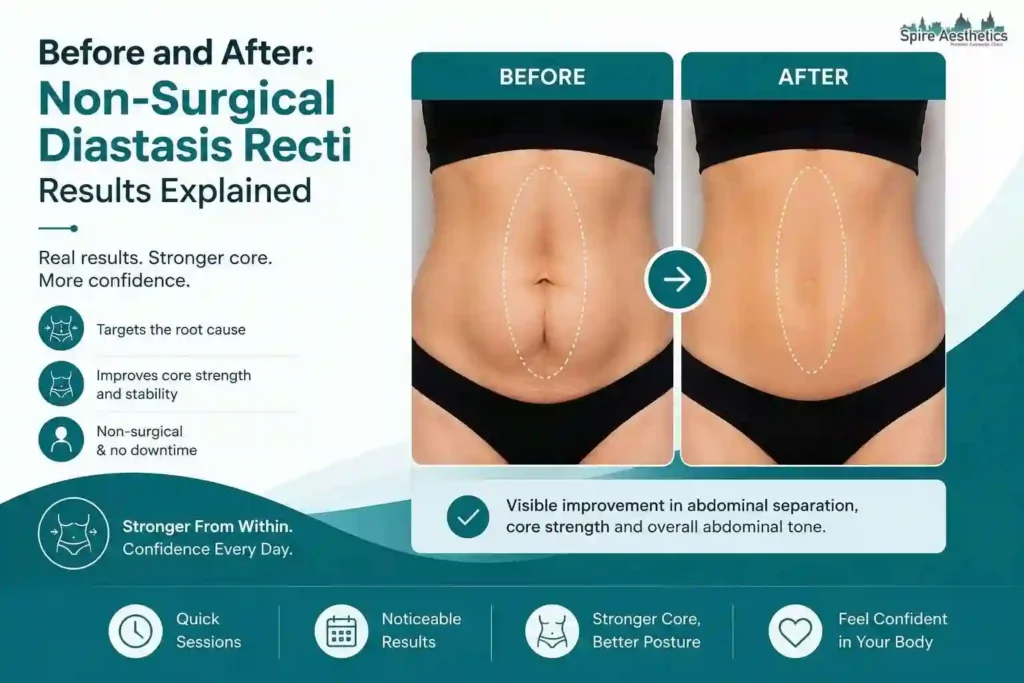
If you have noticed a persistent tummy bulge after pregnancy, weight changes or abdominal muscle stretching, you may have come across the term diastasis recti.
Many people are concerned about more than just the appearance of their stomach. You can eat well and exercise regularly, yet still find that your abdomen doesn’t look as flat or defined as you expected. Some people also notice a feeling of weakness or a visible gap in the middle of the stomach and begin looking for options that do not involve surgery.
At Spire Aesthetics England, we understand that every person’s body and concerns are different. This is why understanding what non-surgical diastasis recti treatment can realistically achieve is an important first step.
What Does Diastasis Recti Look Like Before and After Non-Surgical Treatment?
When the abdominal muscles widen away from each other along the centre of the abdomen, this is known as diastasis recti. It is particularly common during and after pregnancy, although other factors such as significant weight changes can also contribute.
You may notice a bulge or raised ridge developing along the centre of your abdomen, particularly when you tense your core. Some people describe their stomach as looking permanently “pregnant”, even after losing weight.
Before treatment, you may notice:
- A visible abdominal bulge
- A softer or less defined stomach
- Loose-looking abdominal skin
- A feeling of weakness around the core
- Changes in the shape of the abdomen when sitting up or exercising
After an appropriate non-surgical treatment plan, some clients may notice improvements in the appearance, firmness and overall contour of the abdomen. See Here: Can Men Get Diastasis Recti Too?
No two people will have exactly the same results. Your starting point, body and goals all play a part, which is why treatment should be tailored around what you want to improve and what can realistically be achieved.
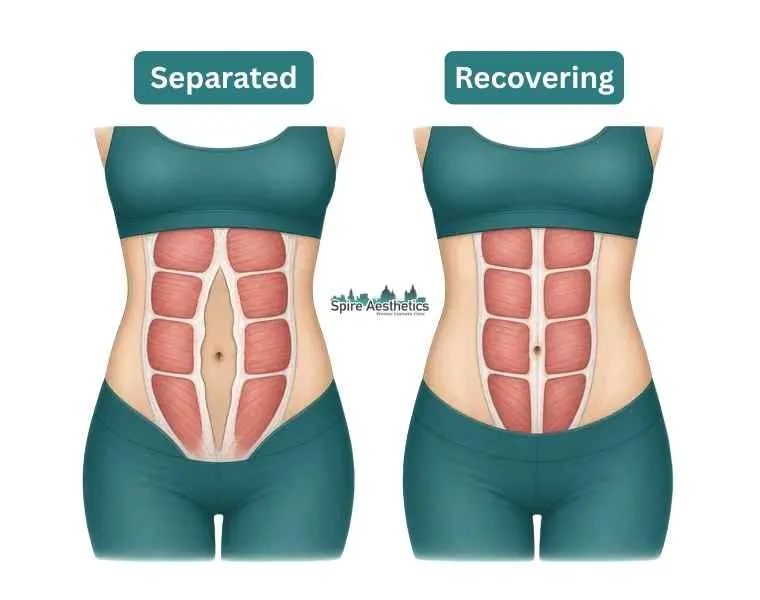
Can Non-Surgical Diastasis Recti Treatment Really Improve a Bulging or Protruding Stomach?
This is one of the most common questions people ask.
A protruding abdomen can have several contributing factors, including muscle separation, skin laxity, body composition and changes following pregnancy. Therefore, simply treating the visible bulge without understanding the underlying concern isn’t always the best approach.
Non-surgical treatments may be used to support abdominal tightening and contouring, depending on an individual’s circumstances and suitability.
For someone who has spent months exercising but still feels unhappy with the appearance of their stomach, this can be particularly appealing because it doesn’t involve traditional surgery.
It’s important, however, to distinguish between improving the appearance and firmness of the abdominal area and medically repairing separated muscles. Non-surgical aesthetic treatment should not be presented as a replacement for surgical repair or appropriate medical care when required. See here: Is Surgery the Only Way to Fix Diastasis Recti?
At Spire Aesthetics England, the focus should be on understanding your goals and discussing what treatment can and cannot realistically provide.
What Results Can You Expect From Non-Surgical Diastasis Recti Treatment?
Before looking at any before-and-after photograph, remember that your starting point matters.
Two people can have very different abdominal concerns while both describing them as “diastasis recti”. Factors such as age, skin elasticity, pregnancy history, body composition and the degree of abdominal changes can all influence the final appearance.
For some clients, treatment may help create a tummy that looks and feels more toned. Possible changes include:
- Improved firmness around the abdomen
- A smoother appearance to the skin
- Better-looking abdominal definition
- A reduction in the appearance of loose skin
- Feeling more confident when wearing fitted clothing
Your body is unique, and so is your treatment journey. The results you see will depend on your individual starting point, which means every before-and-after transformation can look different. How to Check for Diastasis Recti at Home
If you are considering treatment, a professional assessment is important. It lets you explain exactly what is bothering you and understand whether a non-surgical approach is appropriate for your concerns.
That’s why combining them can provide a more comprehensive approach when a client has both skin laxity and surface-level concerns.
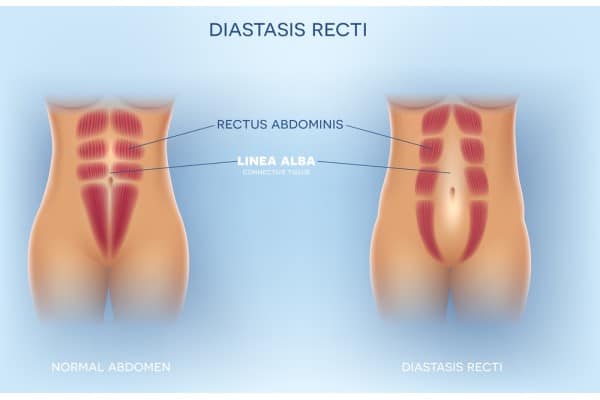
How Does Non-Surgical Treatment Help With Loose Skin, Weak Abdominal Muscles and Post-Pregnancy Changes?
Your body goes through a lot during pregnancy, and your abdomen can be one of the areas most affected. As your baby grows, your abdominal area stretches, and you may notice that your skin feels softer or less tight afterwards.
After pregnancy, some people find that their stomach doesn’t return to its previous appearance, even after losing the pregnancy weight.
This can be frustrating, particularly if you feel that exercise alone hasn’t produced the changes you hoped for.
Non-surgical aesthetic treatments may focus on skin firmness and abdominal contour, depending on the treatment selected and your individual suitability.
At Spire Aesthetics England, discussing your concerns openly can help identify which areas you most want to improve. Rather than focusing purely on a measurement or photograph, the consultation should consider your overall expectations and desired outcome. Exactly how can I determine if I have diastasis recti?
How Long Does It Take to See Diastasis Recti Results and Do They Keep Improving?
One of the biggest mistakes people make when researching before-and-after results is expecting an immediate transformation.
Many aesthetic treatments produce changes gradually. Your body may need time to respond, and the final appearance may become clearer as the treatment process progresses.
The timeframe can depend on:
- The treatment being provided
- Your individual starting point
- Skin condition and elasticity
- The number of sessions recommended
- Your body’s response to treatment
- Your overall lifestyle and expectations
This is why Spire Aesthetics England can help you understand the expected treatment journey rather than relying solely on generic before-and-after photographs found online.
A realistic approach is much more useful than expecting every client to achieve the same result.
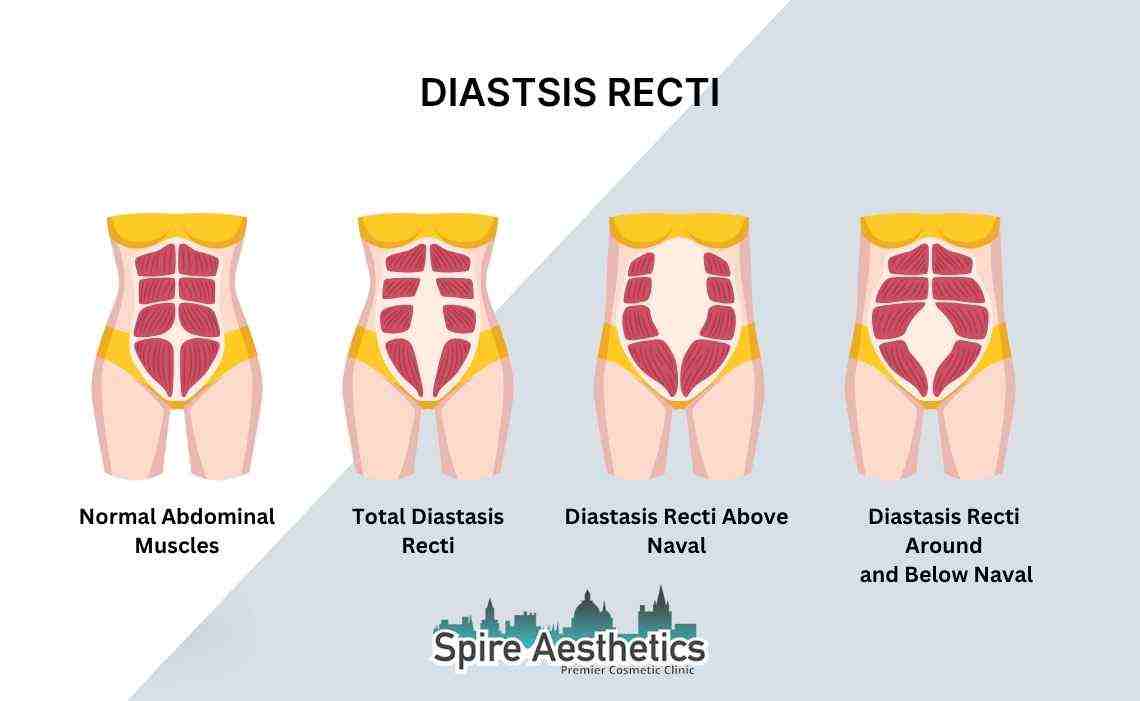
Is Non-Surgical Diastasis Recti Treatment Right for You? Common Concerns Answered
Not everyone with an abdominal bulge has the same underlying cause, and not everyone is suitable for the same treatment.
If you’ve noticed changes to your abdomen after pregnancy, weight loss or simply over time, a consultation can help you explore the options available to you.
You may also have questions about whether treatment is appropriate if you have exercised regularly but haven’t achieved the abdominal appearance you want.
This is where personalised advice matters.
Spire Aesthetics England can discuss your concerns, assess your individual situation and explain the treatment options available to you. The aim is not simply to sell a treatment, but to help you make an informed decision based on your goals and realistic expectations.

Frequently Asked Questions
Q: Can non-surgical treatment completely fix diastasis recti England?
Non-surgical aesthetic treatments may improve the appearance and firmness of the abdominal area, but they should not automatically be described as a complete medical repair of separated abdominal muscles. The appropriate option depends on the individual.
Q: How soon after having a baby can I consider treatment for diastasis recti England?
It’s common to notice changes to your stomach after pregnancy, even after you’ve returned to your usual routine. The right time to consider treatment varies from person to person. Your post-pregnancy recovery, individual concerns and overall circumstances will all need to be considered before treatment is recommended.
Q: Will non-surgical diastasis recti treatment make my stomach look flatter?
Some people may see improved abdominal contour and firmness. Everyone responds differently to treatment, and the results can depend on your skin’s elasticity, body shape and what is contributing to the appearance of your abdomen.
Q: What happens if I still have loose abdominal skin after treatment?
Loose skin can have several causes, and its response to treatment varies. During your consultation, we can assess your concerns so you understand what level of improvement is possible.
Q: How many treatments might I need to see noticeable results?
There isn’t one treatment schedule that suits everyone. The number of sessions depends on the treatment selected and your individual needs. We can discuss this during your consultation with Spire Aesthetics England.
Q: How do I know whether Spire Aesthetics England’ non-surgical diastasis recti treatment is suitable for me?
A consultation is the best place to start. It gives you the opportunity to talk through your concerns, goals and expectations, while the practitioner can assess whether the treatment is suitable for you.
Before and After Diastasis Recti Treatment: How Spire Aesthetics England Can Help You Feel More Confident
Living with an abdominal bulge or changes after pregnancy can affect more than your appearance. It can affect how comfortable you feel in clothes, how confident you feel in photographs, and how you feel about your body overall.
The important thing is not to compare yourself with someone else’s before-and-after photograph and assume you should achieve the same result.
At Spire Aesthetics England, the starting point is understanding you—your concerns, your goals and what you hope to improve. From there, you can discuss whether a non-surgical approach may be suitable and what you can realistically expect from treatment.
If you’re unhappy with changes to your abdomen and want to explore your options, contact Spire Aesthetics to arrange a consultation and discuss your concerns with the team.
For Further Information, please call us on 03300100092